The Power of the Baseline
Every confident decision needs a starting point.
A Baseline establishes an objective record of how you move today - creating the foundation for understanding change, measuring progress and making more informed decisions about your movement health tomorrow.
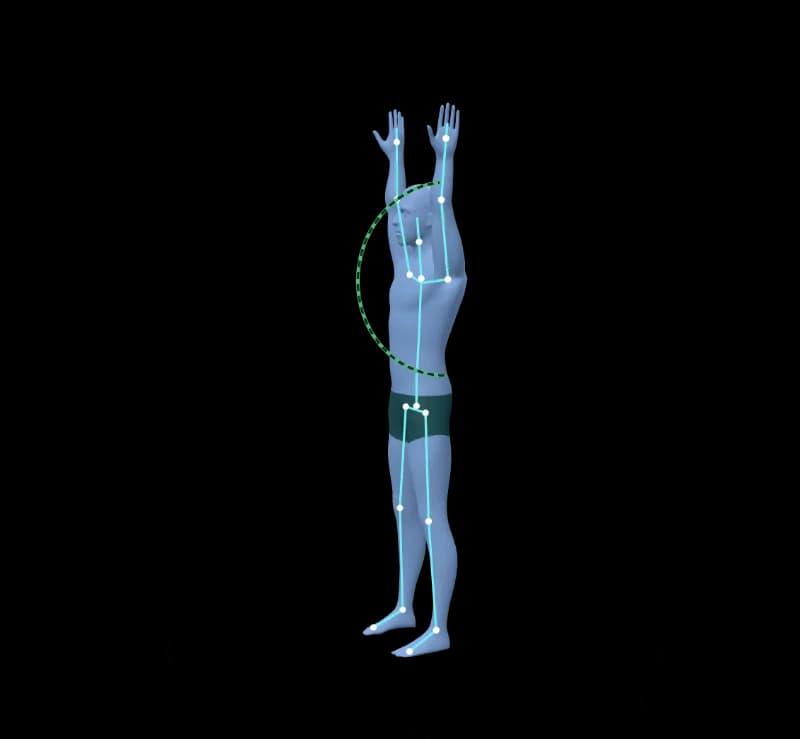
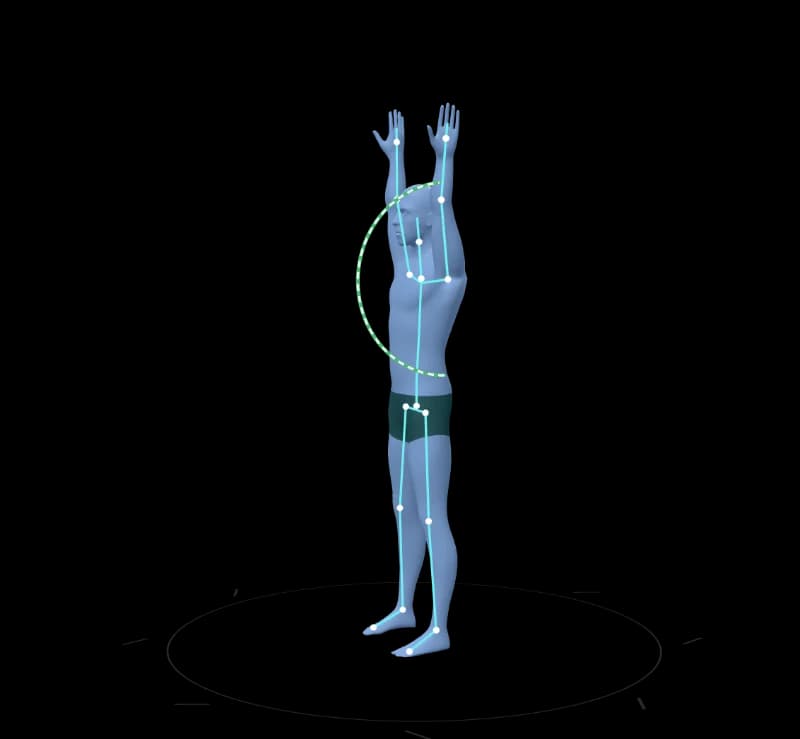
The same reach, five years apart.
Each year this shoulder loses a little range, and the lower back arches to cover for it. The reach looks the same. The Baseline shows what changed.
You don’t always notice change while it’s happening.
Movement changes often happen so slowly that you don’t notice them. Your body is incredibly good at adapting. If one joint becomes stiff, another compensates. Over time, these small compensations start to feel normal.
- Stiffness
- A stiff neck or hip? You turn your whole body instead - without ever deciding to.
- Balance
- Feeling less steady? You subtly widen your stance to compensate.
- Gait
- Your stride length shortens, step by step, so gradually it feels normal.
You can’t accurately measure change if you never measured where you started.
We track our health. Why not our movement?
From blood pressure and bloodwork to our vision and heart rate, we routinely measure our health so we can understand what’s normal and recognize when something changes.
- Blood pressure
Cardiovascular health, measured and tracked over time.
- Bloodwork
Inside the body - measurable information compared across tests.
- Vision
How we see - a reference for recognizing changes.
- Heart rate
How the body responds, measured.
- Movement
Your mobility, balance, gait and overall movement can change too.
Movement deserves a reference point too. A movement Baseline creates one that every future assessment can be compared against.
Before you can measure improvement, recovery or decline, you need to know where you started.
Your Baseline creates that reference point. It provides an objective movement profile that can be used to:
- Understandhow you move today
- Identifyasymmetries, compensations and areas that may need attention
- Trackchange across training, treatment, rehabilitation and aging
- Compareyour movement before and after an injury or event
- Supportconfident Return-to-Play, Return-to-Work and Return-to-Life decisions
One assessment establishes the starting point. Repeat assessments build your longitudinal movement record.
Your Baseline becomes more valuable over time.
Feeling fine is important. But it doesn’t tell you everything.

“I feel fine, nothing hurts.”
- “My swing feels the same as last year.”
- “I feel like I’m fully recovered from that ankle sprain.”
A 15% decrease in left hip internal rotation over two years.
- A subtle shift in centre of mass during dynamic balance tasks.
- A measurable asymmetry in the loading response of the gait cycle.
“I’m just getting older.”
We hear this often when people notice stiffness or realize their golf swing has changed. But without measuring it, how do you know what changed? A Baseline provides clarity. It gives you a measurement of how you actually moved.
- Morning stiffness
- Swing changes
- Navigating stairs
- Getting off the floor

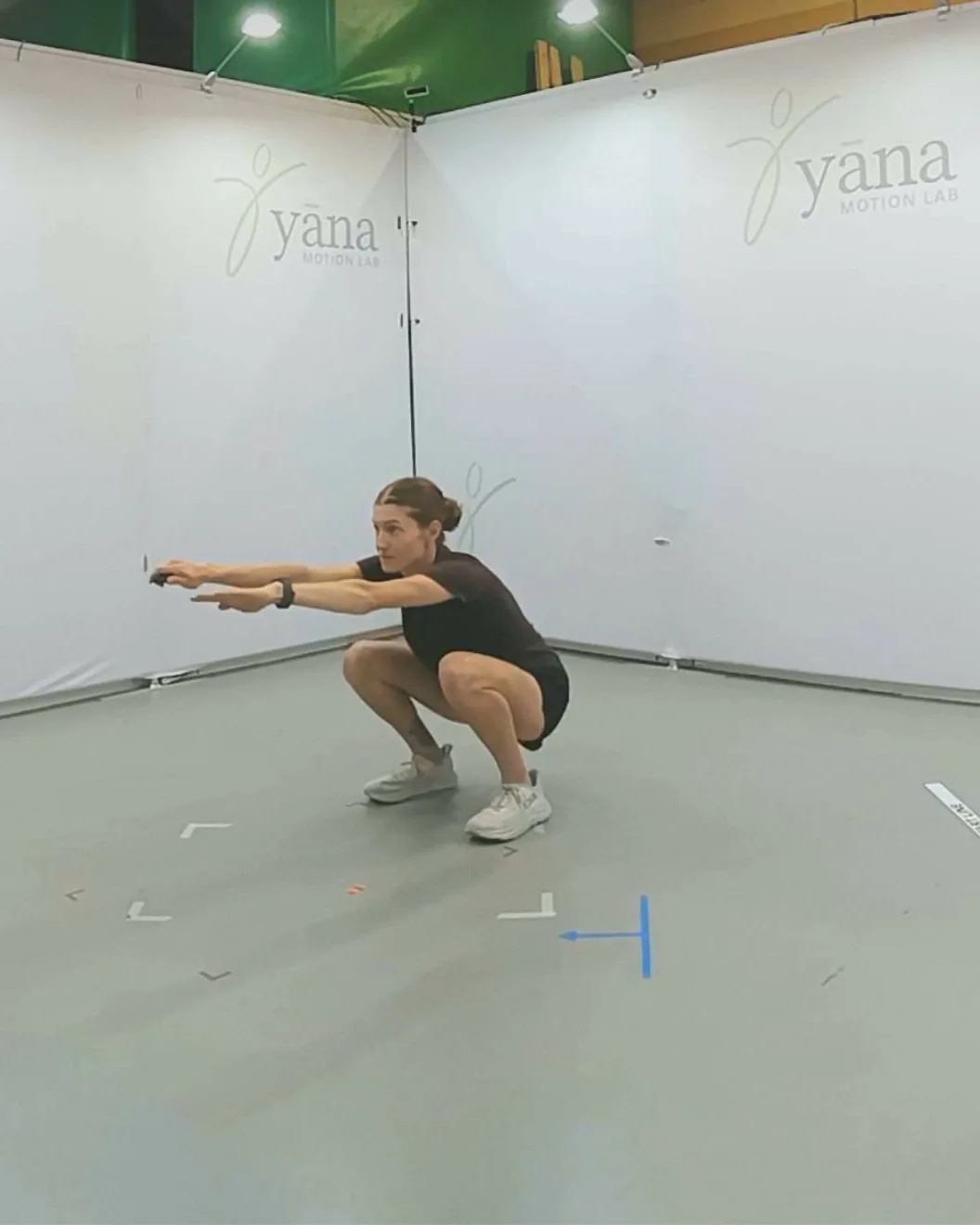
Clinical-grade measurement behind the Yāna Baseline.
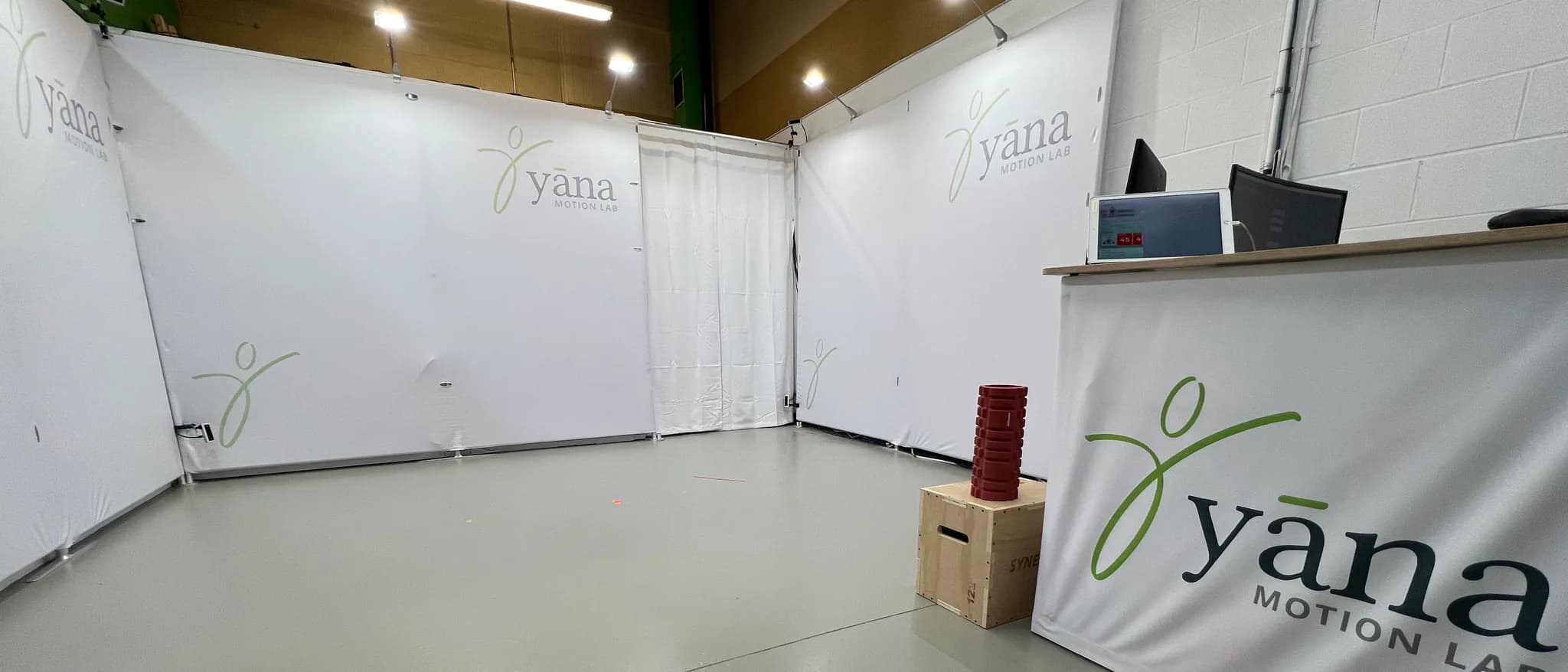
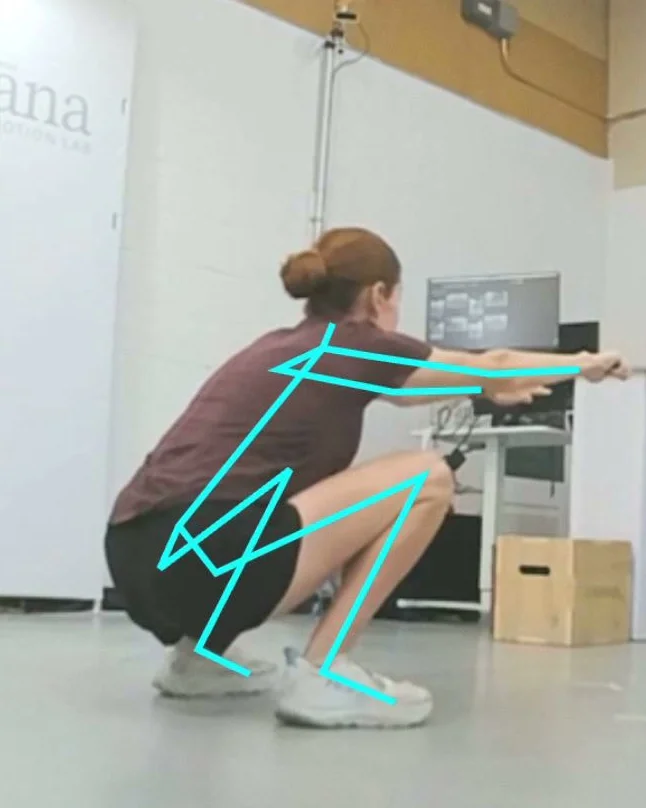
At Yāna, the Yāna Universal Movement Assessment Platform - YuMAP - powers our approach to objective movement measurement. Markerless 3D motion capture and biomechanical analysis measure how your body moves and convert that movement into objective data.
The result is more than an assessment. It is a measurable record of your movement at a specific point in time.
Your Baseline becomes the reference against which future Yāna assessments can be compared - allowing you to compare you with you.
Your eyes can see movement. Yāna can measure it.
YuMAP measures movement with research-grade precision, capturing subtle differences that aren’t always visible to the trained eye - creating a measurable picture of how you move today.
- You
- 8 cameras
- 3D data
- Your profile
Return-to-Play. Return-to-Work. Return-to-Life.
This is where the power of having a Baseline becomes clear. After an injury, accident, surgery or other event, the question isn’t simply:
“Do I feel ready?”
The more meaningful question is:
“How does the way I move today compare with how I moved before?”
A pre-event Baseline provides an objective reference point that can contribute to rehabilitation and return decisions.

Compare post-injury movement with pre-injury data to help inform rehabilitation, readiness and return-to-sport decisions.

Provide objective movement information that can contribute to evaluating functional recovery and readiness to resume work activities.

Understand how your movement compares with your previous movement status as you return to the activities that matter to you.
Don’t just return. Know what you’re returning with.
Health. Safety. Performance. Confidence.
The value of a Baseline begins before something goes wrong.

Understand your movement health, identify what may need attention and track how your movement changes over time.
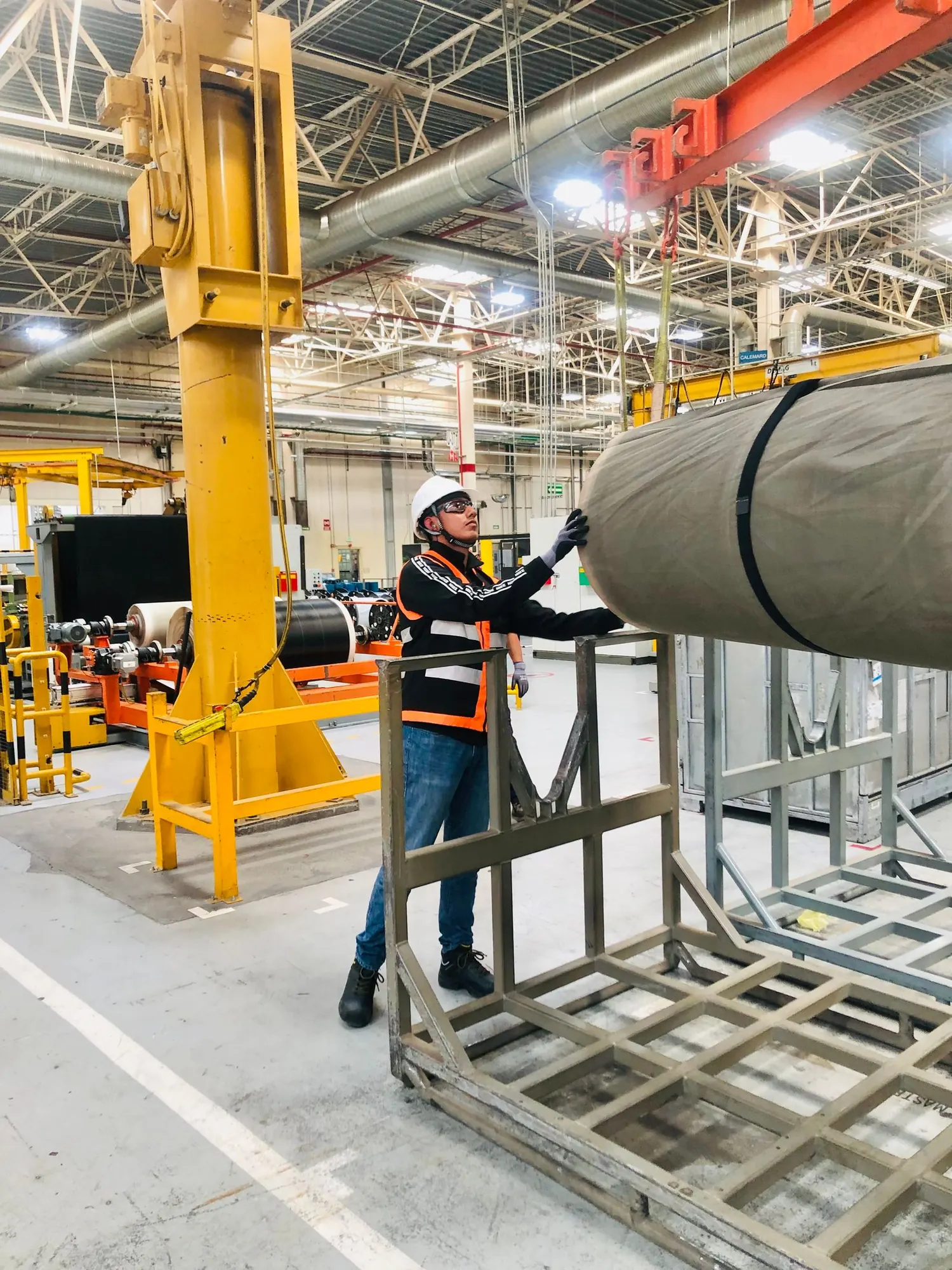
Establish an objective record of how you moved before an injury, accident or other event changes it.

Know where you started, identify opportunities to improve and objectively measure the results of training and preparation.
Replace assumptions with information.
- Confidence that comes from knowing your movement has been measured.
- Confidence in understanding what changed.
- Confidence in seeing progress.
- Confidence when making decisions about returning to sport, work and the activities that matter to you.
Body. Mind. Focus.
Measure before something changes.
We establish baselines for many important measures of our health because knowing where we started helps us understand what happens next. Movement should be no different. Your Yāna Baseline establishes the foundation.
For your health. For your safety. For your performance. For your recovery. For your confidence.
One session
A full-body movement assessment in a single visit.
Yours for life
Your Baseline becomes the reference point every future assessment is compared against.
Shareable data
Objective results your physiotherapist, coach or care team can actually work with.
Baseline is the Foundation.
Measure when you’re well. Know what changes. Return with evidence.